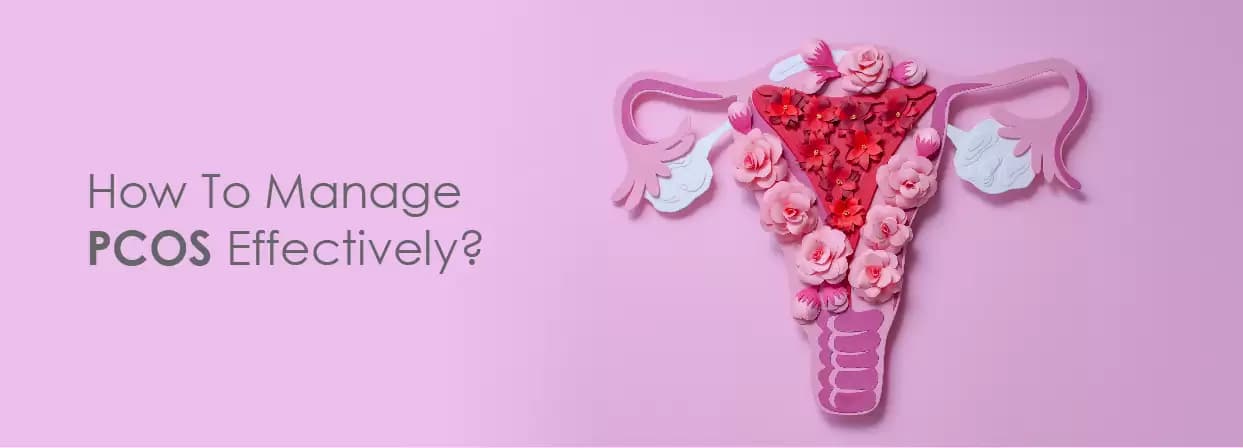
PCOS/PMOS is a common hormonal condition that can affect periods, weight, skin, fertility, and overall health if left unmanaged. This blog shares simple lifestyle changes, effective exercises, healthy diet tips, and stress management techniques to help women manage PCOS/PMOS naturally and improve hormonal balance.
Are you experiencing irregular periods, sudden weight gain, acne, mood swings, excessive hair fall, or difficulty losing weight?
Many women often ignore these symptoms, thinking they are just normal menstrual issues or temporary hormonal changes. But sometimes, these signs can point to something more serious – PCOS/PMOS. Polycystic Ovary Syndrome (PCOS) is one of the most common hormonal disorders affecting women today.
According to health reports, around 1 in 10 women worldwide experience PCOS/PMOS, yet many remain undiagnosed for years. The good news is that PCOS/PMOS can be managed effectively with the right lifestyle changes, healthy habits, and medical support.
In this blog, we’ll explore simple and practical ways to manage PCOS/PMOS and improve hormonal health naturally.
Polycystic Ovary Syndrome (PCOS), also referred to as PMOS, is one of the most common hormonal conditions affecting women today. It happens when there is an imbalance in reproductive hormones, which affects ovulation, menstrual cycles, metabolism, and overall health.
In many cases, the body also produces excess androgens (male hormones), leading to several physical and emotional symptoms. Common symptoms of PCOS/PMOS include:
Many women with PCOS/PMOS also experience insulin resistance, a condition in which the body struggles to use insulin properly. This can increase the risk of Type 2 diabetes, heart disease, and other metabolic health problems later in life.
Recently, PCOS/PMOS gained global attention after experts proposed a new name for the condition — PMOS (Polyendocrine Metabolic Ovarian Syndrome). The recommendation was published in The Lancet after years of medical research and patient advocacy.
Why Was the Name Changed?
This is because PCOS is not just about ovarian cysts. It affects hormones, metabolism, insulin levels, mental health, weight, fertility, skin, and overall well-being. The new term PMOS reflects the broader impact of the condition more accurately. The good news is that PCOS/PMOS can be managed effectively with the right lifestyle changes, medical support, and daily habits.
Ignoring PCOS/PMOS symptoms can lead to long-term health complications, such as:
Research also shows that more than half of women with PCOS/PMOS may develop Type 2 diabetes before the age of 40. That is why early management is extremely important.
Managing PCOS/PMOS does not mean following strict diets or making extreme lifestyle changes overnight. Small, consistent habits can help improve hormonal balance, regulate periods, support metabolism, and improve overall wellbeing. Here are some of the most effective ways to manage PCOS/PMOS naturally and effectively.
Weight management plays an important role in controlling PCOS/PMOS symptoms because excess weight can worsen hormonal imbalance and insulin resistance. Even losing a small amount of weight can help improve ovulation, menstrual cycles, and energy levels.
Benefits:
Example:
Instead of eating packaged snacks or sugary drinks, choose healthier options like fruits, nuts, yoghurt, or homemade meals.
Regular physical activity is one of the best ways to manage PCOS/PMOS symptoms naturally. Exercise helps regulate hormones, improve mood, support weight management, and reduce insulin resistance. You do not need intense gym workouts every day. Moderate exercise done consistently can make a big difference.
Best Exercises for PCOS/ PMOS:
Example:
A simple 30-minute walk after meals or practising yoga for 20 minutes daily can help improve hormonal health over time.
Diet directly affects hormones and insulin levels in women with PCOS/PMOS. Diet directly affects hormones and insulin levels in women with PCOS/PMOS. Fibre-rich foods also help you feel full for longer and support healthy digestion.
Foods to Include:
Tip: Eating meals at regular times can also help manage insulin levels effectively.
Stress can make PCOS/ PMOS symptoms worse by increasing cortisol levels, which may affect hormones, sleep, cravings, and mood. Managing stress is just as important as diet and exercise when it comes to PCOS/ PMOS care.
Benefits:
Example:
Practising deep breathing or meditation for just 10–15 minutes daily can help calm the mind and reduce stress levels.
Regular exercise is one of the most effective ways to manage PMOS symptoms naturally. Here are some of the best exercises for PCOS/PMOS and how they help.
Brisk walking is one of the easiest and most effective exercises for women with PCOS/ PMOS. It improves blood circulation, burns calories, and supports hormonal balance without putting too much pressure on the body.
Benefits of Brisk Walking:
Tip: Start with 15–20 minutes daily and gradually increase your walking time.
Strength training helps build muscle and improve metabolism. You can try squats, lunges, dumbbell exercises & resistance band workouts.
Benefits of Strength Training:
Tip: Combine strength training with cardio for better results.
Yoga is highly beneficial for both physical and mental health. The best yoga poses for PCOS/PMOS that you can try are butterfly pose, cobra pose, child’s pose, bridge pose
Benefits of Yoga:
Tip: Deep breathing exercises during yoga can further help reduce stress levels.
HIIT involves short bursts of intense exercise followed by short rest periods. It is effective for improving metabolism and burning calories in less time.
Benefits of HIIT:
Tip: Beginners should start slowly and avoid overtraining.
Cycling is a low-impact exercise that supports heart health and improves stamina. It is also a great option for women who prefer outdoor workouts.
Benefits of Cycling:
Tip: Stationary cycling at home is also an effective option.
Pilates focuses on core strength, posture, flexibility, and controlled movements. It is especially helpful for improving body strength without putting stress on joints.
Benefits of Pilates:
Tip: Pilates can be combined with yoga for better flexibility and relaxation.
Dance is a fun and enjoyable way to stay active while managing PCOS/PMOS symptoms.
Benefits of Dance:
Tip: Choose music and dance styles you enjoy to stay consistent.
Swimming is a full-body workout that is gentle on joints while improving stamina and flexibility. It is especially beneficial for women looking for low-impact exercise options.
Benefits of Swimming:
Tip: Swimming is a great option during summer or for women with joint pain.
Managing PCOS/PMOS effectively is not about perfection. It is about consistency, awareness, and taking small healthy steps every day.
Your body is not working against you — it simply needs better hormonal balance and long-term care. With the growing awareness around PCOS and the recent transition toward PMOS, more women are finally receiving the recognition and support they deserve.
If you are experiencing symptoms, do not ignore them. Early diagnosis and healthy lifestyle changes can improve both physical and emotional wellbeing. Remember: small habits create big changes over time.
PCOS/PMOS cannot be completely cured, but it can be managed effectively with healthy lifestyle changes, regular exercise, stress management, and medical support. Early diagnosis and proper care can help control symptoms and improve overall health.
A low-carbohydrate, high-fibre diet is considered beneficial for PCOS/PMOS. Eating vegetables, fruits, whole grains, lean protein, nuts, and seeds can help balance hormones and improve insulin sensitivity.
Exercises like brisk walking, yoga, strength training, HIIT, cycling, swimming, and Pilates are highly beneficial for managing PCOS/PMOS. Regular exercise helps improve metabolism, hormonal balance, and weight management.
Yes, high stress levels can worsen PCOS symptoms by affecting hormonal balance and increasing cortisol levels. Practising yoga, meditation, deep breathing, and maintaining good sleep habits can help reduce stress naturally.
Experts recently proposed the term PMOS (Polyendocrine Metabolic Ovarian Syndrome) because the condition affects hormones, metabolism, insulin levels, mental health, and overall well-being—not just the ovaries. The new name better reflects the broader impact of the condition.
Written and Verified by:

Dr. Samir Kr Ray is a Consultant in Obstetrics & Gynaecology Dept. at CMRI, Kolkata with over 32 years of experience. He specializes in endoscopic surgery and advanced gynaecological endoscopy
Similar Obstetrics and Gynaecology Blogs
Book Your Appointment TODAY
© 2024 CMRI Kolkata. All Rights Reserved.